
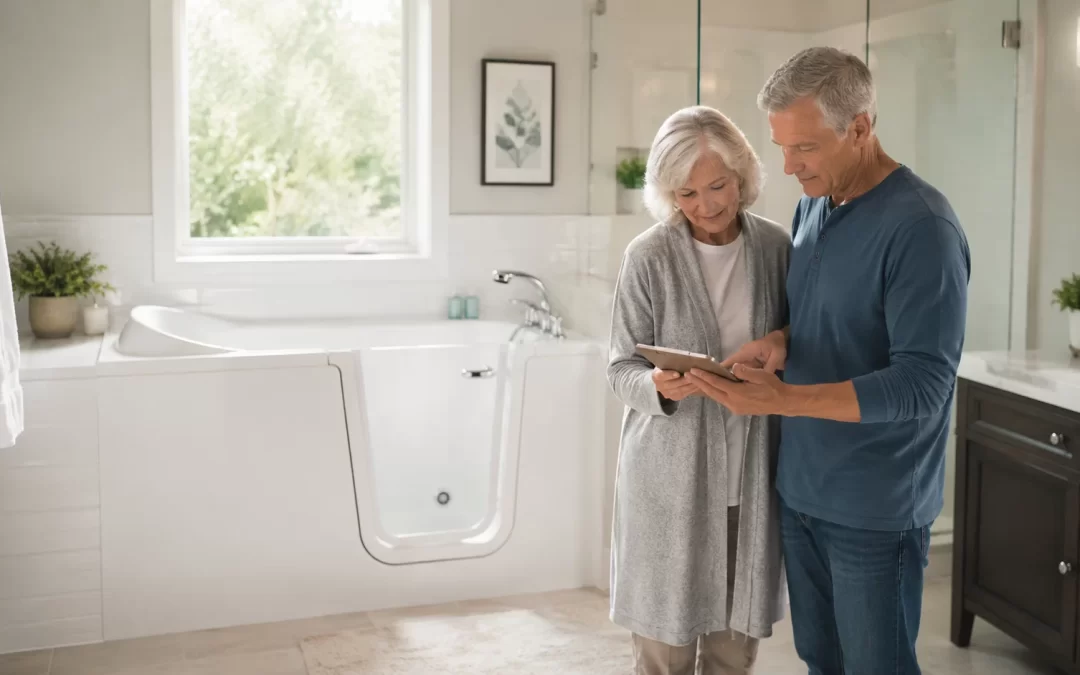
How much does a walk-in tub cost? Most walk-in tubs cost about $3,000–$10,000 for the tub itself and around $5,000–$20,000 or more with professional installation. The final price depends on the type of tub, bathroom layout, plumbing and electrical work, and extra features like jets or heated seats. Basic soaker models in a simple bathroom are on the lower end, while larger hydrotherapy or wheelchair-accessible tubs in older bathrooms can be much higher. Every home is different, so getting a few detailed quotes is the only way to know your true cost.
A walk-in tub is a major home safety and comfort upgrade, especially for seniors, caregivers, and families planning to age in place. This guide breaks down real-world walk-in tub pricing so you can understand what you’re paying for and what affects the total cost. You’ll see typical price ranges, what drives costs up or down, and how to decide whether a walk-in tub, walk-in shower, or smaller safety upgrade is the best fit for your situation. The goal is to help you make a confident, low-stress decision—not to pressure you into a purchase.
Table of Contents
- What Does “Walk-In Tub Cost” Really Include?
- Typical Walk-In Tub Costs (Tub Only vs. Installed)
- What Affects the Cost of a Walk-In Tub?
- Types of Walk-In Tubs and What They Usually Cost
- Walk-In Tub Installation Costs and Timelines
- When a Walk-In Tub Is (and Isn’t) Worth the Cost
- Lower-Cost Alternatives to a Walk-In Tub
- Paying for a Walk-In Tub: Financing, Insurance & Assistance
- Key Numbers & Realistic Cost Benchmarks
- How to Decide What to Do Next
- Frequently Asked Questions
- Summary: Key Takeaways
- Next Step: Get a Personalized Walk-In Tub Quote
What Does “Walk-In Tub Cost” Really Include?
When people ask, “How much does a walk-in tub cost?” they’re usually asking about more than just the tub. There are three main pieces to the total price:
- The tub itself (the walk-in bathtub unit)
- Installation labor (plumber, installer, sometimes electrician)
- Bathroom changes (plumbing moves, electrical upgrades, wall or floor work)
Some ads only show the price of the tub, which can make walk-in tubs seem cheaper than they really are. A realistic budget should always include both the product and the work needed to safely install it in your specific bathroom.
Why this matters for your budget
Two homeowners can buy the same walk-in tub model and pay very different total prices. For example:
- Home A: Newer home, standard tub size, easy access to plumbing – lower installation cost.
- Home B: Older home, narrow doorway, outdated wiring – higher installation and remodeling cost.
Understanding what’s included helps you compare quotes fairly and avoid surprise add-ons later.
Typical Walk-In Tub Costs (Tub Only vs. Installed)
Here are realistic price ranges most U.S. homeowners can expect for a walk-in tub in 2024:
Typical tub-only prices
- Basic soaker walk-in tub: about $3,000–$5,000
- Mid-range tub with some jets or upgrades: about $4,000–$8,000
- High-end hydrotherapy or luxury tub: about $7,000–$10,000+
- Specialty or wheelchair-accessible models: often $8,000–$12,000+ for the tub alone
These prices are for the walk-in bathtub unit only and do not include installation or bathroom modifications.
Typical installed walk-in tub prices
- Basic installed walk-in tub: around $5,000–$8,000 in a simple, modern bathroom
- Mid-range installed tub with jets: around $7,000–$12,000
- High-end or complex installation: around $12,000–$20,000+ (older homes, major plumbing/electrical changes, or large specialty tubs)
Most homeowners end up in the $7,000–$15,000 range for a complete walk-in tub installation. Your location, bathroom condition, and chosen features can push you below or above this range.
What’s usually included in “installed” pricing
Installed pricing often includes:
- Delivery of the walk-in tub
- Removal and disposal of the old tub or shower
- Basic plumbing connections
- Basic electrical connections (if needed)
- Sealing, caulking, and testing the tub
More extensive work—like moving walls, replacing subfloor, or upgrading your electrical panel—may cost extra and should be clearly listed in your quote.
What Affects the Cost of a Walk-In Tub?
Several factors can significantly change how much your walk-in tub will cost. Knowing these ahead of time helps you ask better questions and avoid surprises.
1. Type of walk-in tub
The style and purpose of the tub are major price drivers:
- Standard soaker tubs (no jets) are usually the most affordable.
- Hydrotherapy and air jet tubs cost more due to pumps, jets, and controls.
- Wheelchair-accessible or bariatric tubs are larger and more specialized, so they typically cost more.
- Two-person or extra-deep tubs also increase the price.
2. Features and upgrades
Common upgrades that add to the cost include:
- Hydrotherapy water jets
- Air jets (bubbled air massage)
- Heated seat and backrest
- Quick-fill or quick-drain systems
- Chromotherapy (colored lights)
- Aromatherapy systems
- Wider doors or outward-swinging doors
Each upgrade may add a few hundred to a few thousand dollars. Decide which features are truly important for comfort and ease of use.
3. Bathroom layout and condition
Your existing bathroom can make installation simple—or complicated:
- Easy installs happen when:
- The new walk-in tub fits where the old tub was.
- Plumbing is in good condition and easy to access.
- Doorways are wide enough to bring the tub in.
- More expensive installs happen when:
- Walls or doorways must be widened.
- Floors are damaged or uneven.
- Plumbing must be moved or upgraded.
4. Plumbing and electrical needs
Walk-in tubs often hold more water than standard tubs and may need:
- Larger or additional hot water capacity
- Upgraded drain lines for quick-drain systems
- Dedicated electrical circuits for pumps, heaters, or controls
In some homes, this is a minor adjustment. In older homes, it can add significantly to the total cost. A licensed plumber and electrician should be involved when needed.
5. Local labor rates and permits
Where you live affects installation cost:
- Urban and high-cost-of-living areas usually have higher labor rates.
- Some cities require permits for plumbing or electrical work, which adds fees.
- Rural areas may have fewer installers, which can affect pricing and scheduling.
6. Brand, warranty, and installer
Well-known brands and experienced installers may charge more, but often provide:
- Better warranties on the tub and parts
- More reliable installation and service
- Clearer timelines and communication
Lowest price is not always the best value. Balance cost with reputation, warranty, and how comfortable you feel with the company.
Types of Walk-In Tubs and What They Usually Cost
Different types of walk-in tubs serve different needs and budgets. Here’s how they generally compare.
Basic soaker walk-in tubs
What they are: Simple walk-in bathtubs with a low step, built-in seat, and basic safety features, but no jets.
- Typical tub cost: $3,000–$5,000
- Typical installed cost: $5,000–$9,000
- Best for: People who mainly want safer, easier entry and exit without massage features.
Hydrotherapy and air jet walk-in tubs
What they are: Walk-in tubs with water jets, air jets, or both for a massaging effect.
- Typical tub cost: $4,000–$9,000+
- Typical installed cost: $7,000–$15,000+
- Best for: People who value comfort and relaxation and are comfortable with a higher budget.
These tubs require more plumbing and electrical work, which is why installation costs are often higher.
Wheelchair-accessible and bariatric walk-in tubs
What they are: Larger tubs with wider doors, lower thresholds, and layouts designed for wheelchair transfers or higher weight capacities.
- Typical tub cost: $8,000–$12,000+
- Typical installed cost: $10,000–$20,000+
- Best for: Users who transfer from a wheelchair or need extra space and support.
These tubs can be life-changing for accessibility, but they are among the most expensive options.
Two-person and extra-deep walk-in tubs
What they are: Oversized tubs designed for two users or for deeper soaking.
- Typical tub cost: $7,000–$12,000+
- Typical installed cost: $10,000–$20,000+
- Best for: Couples who want to bathe together or individuals who enjoy deep soaking and have the space and budget.
Walk-In Tub Installation Costs and Timelines
Installation is a major part of the total walk-in tub cost. Understanding what’s involved helps you plan realistically.
Typical installation cost range
- Low end (simple swap): $1,500–$3,000 for labor in a straightforward replacement
- Average installation: $2,500–$5,000 for labor and minor modifications
- High end (complex remodel): $5,000–$10,000+ for major plumbing, electrical, or structural changes
These numbers are in addition to the cost of the tub itself.
How long installation usually takes
- Simple projects: 1–3 days for removal of the old tub and installation of the new walk-in tub
- Moderate projects: 3–5 days if walls, flooring, or plumbing need more work
- Complex remodels: 1–2 weeks or more if you’re redoing the entire bathroom
Ask your installer for a clear timeline, including how long the bathroom will be out of service.
What a professional installation should include
A quality walk-in tub installation typically covers:
- Protecting floors and nearby areas
- Removing the old tub or shower
- Inspecting and updating plumbing connections
- Installing and leveling the new tub
- Connecting electrical components safely (if needed)
- Sealing, caulking, and testing for leaks
- Basic cleanup and haul-away of debris
Always confirm in writing what is and isn’t included before you sign a contract.
When a Walk-In Tub Is (and Isn’t) Worth the Cost
A walk-in tub is a significant investment. It’s important to decide whether it truly fits your needs, home, and budget.
When a walk-in tub may be a good fit
A walk-in tub may be worth the cost if:
- Stepping over a high tub wall feels difficult, tiring, or risky.
- You or a loved one prefers soaking baths over showers.
- A family member assists with bathing and needs easier access.
- You plan to age in place and want long-term bathroom safety upgrades.
- You have the budget (or financing) for a $7,000–$15,000 project.
When a walk-in tub may not be the best choice
A walk-in tub may not be ideal if:
- You strongly prefer quick showers and rarely take baths.
- Your bathroom is very small and would feel cramped with a tub.
- Your budget is tight and a multi-thousand-dollar project would cause stress.
- You need a solution that allows rolling a wheelchair directly into the bathing area (a roll-in shower may be better).
In these cases, a walk-in shower, grab bars, or other accessibility upgrades may be more practical and affordable.
Comfort and routine considerations
Walk-in tubs require you to:
- Enter the tub before filling it and stay seated while it drains.
- Wait a few minutes for the tub to fill and empty.
Many people are comfortable with this routine, especially with quick-fill and quick-drain features. Others prefer the speed of a shower. Think about what will feel realistic and comfortable day after day.
Lower-Cost Alternatives to a Walk-In Tub
If a full walk-in tub installation isn’t the right fit, there are other ways to improve bathroom safety and accessibility.
Walk-in or low-threshold showers
Walk-in showers can be a good option if you prefer showering or use a shower chair.
- Pros: Easier entry, good for small bathrooms, can be wheelchair-friendly.
- Cons: No soaking bath; cost can still be several thousand dollars depending on the remodel.
Grab bars and safety rails
Adding sturdy grab bars near the tub, shower, and toilet can improve stability.
- Typical cost: A few hundred dollars installed, depending on the number and type of bars.
- Best for: People who need a bit of extra support but are otherwise steady on their feet.
Non-slip flooring and bath mats
Simple changes like non-slip mats, strips, or upgraded flooring can reduce slipperiness.
- Typical cost: Under $100 for basic mats; more for new flooring.
- Best for: Low-budget safety improvements.
Shower chairs and transfer benches
These allow you to sit while showering and make getting in and out easier.
- Typical cost: Around $50–$300 depending on style and quality.
- Best for: People who can step into a tub or shower with some support.
Partial bathroom remodels
Sometimes a targeted remodel—like widening a doorway or rearranging fixtures—can make a big difference.
- Typical cost: Varies widely, from a few thousand dollars and up.
- Best for: Homes with tight spaces or awkward layouts.
Paying for a Walk-In Tub: Financing, Insurance & Assistance
Because walk-in tubs are a major purchase, many families explore different ways to pay for them. Options vary widely, and it’s important to verify details with qualified professionals.
Out-of-pocket payment
Many homeowners pay for a walk-in tub directly using savings, home equity, or credit cards. This avoids interest charges from financing plans but requires having funds available.
Financing through the installer or a lender
Some walk-in tub companies and contractors offer financing plans, often with monthly payments.
- Ask about interest rates, total cost over time, and any promotional periods.
- Make sure the monthly payment fits comfortably in your budget.
Insurance, Medicare, Medicaid, and VA benefits
Coverage for walk-in tubs is limited and highly case-specific:
- Medicare: Generally does not cover walk-in tubs as standard benefits, but there may be rare exceptions. Always confirm with Medicare or a benefits specialist.
- Medicaid: Some state Medicaid programs or waivers may help with home modifications. Eligibility and rules vary by state.
- Private insurance: Most health insurance plans do not cover walk-in tubs, but you can ask your insurer.
- VA benefits: Some veterans may qualify for home modification assistance. Check with the Department of Veterans Affairs or a VA representative.
Because rules change and depend on your situation, speak with your insurance provider, local Medicaid office, VA representative, or a benefits counselor for accurate guidance.
Tax credits or deductions
In some cases, home modifications for medical reasons may have tax implications. This is complex and depends on your income, documentation, and current tax laws. Always consult a tax professional or accountant before assuming any tax benefit.
Key Numbers & Realistic Cost Benchmarks
Here is a quick reference of key walk-in tub cost numbers and what they mean.
- Typical walk-in tub cost (tub only): $3,000–$10,000+ depending on size, brand, and features.
- Typical installed walk-in tub cost: $5,000–$20,000+ depending on labor, plumbing, electrical work, bathroom layout, and features.
- Basic soaker models: Usually less expensive than hydrotherapy or luxury models.
- Installation time: Often 1–3 days for straightforward projects; longer for complex remodels.
- Common safety features: Low step-in threshold, built-in seat, grab bars, anti-slip flooring, easy-to-reach controls, handheld shower wand.
- Common upgrades: Hydrotherapy jets, air jets, heated seating, quick drain systems, wider doors, wheelchair-accessible designs.
- Individual costs vary: Location, bathroom condition, product choice, and installation complexity all affect your final price.
Use these numbers as a starting point, not a guarantee. The best way to know your cost is to get detailed quotes based on your actual bathroom and needs.
How to Decide What to Do Next
Choosing a walk-in tub is both a financial and personal decision. Here’s a step-by-step way to move forward calmly and confidently.
1. Clarify your goals and needs
Ask yourself and your family:
- Is the main goal comfort, safety, independence, or caregiver support?
- Do we prefer baths, showers, or both?
- How long do we plan to stay in this home?
- What is a realistic budget range for us?
2. Measure your bathroom
Before getting quotes, gather basic information:
- Length, width, and height of the current tub or shower area
- Doorway widths leading to the bathroom
- Location of plumbing fixtures (faucets, drains)
Having these measurements ready helps installers give more accurate estimates.
3. Decide which features are “must-haves” vs. “nice-to-haves”
Make a simple list:
- Must-haves: For example, low step-in, built-in seat, grab bars.
- Nice-to-haves: For example, jets, heated seat, quick drain.
This helps you stay within budget and avoid paying for features you won’t use.
4. Get multiple quotes
It’s wise to compare at least two or three walk-in tub quotes. When reviewing them, look for:
- Clear breakdown of tub cost vs. installation cost
- Details on what’s included (removal, disposal, plumbing, electrical, permits)
- Warranty terms for both the tub and the installation work
- Estimated timeline and start date
5. Questions to ask a walk-in tub installer
Consider asking:
- How many walk-in tubs have you installed?
- Are you licensed and insured in this state?
- Will you handle permits if they’re required?
- What happens if you find unexpected issues (like rotten subfloor or old pipes)?
- Is the quote fixed or could it change? Under what circumstances?
- What does the warranty cover, and for how long?
6. Red flags to watch for
Be cautious if you notice:
- High-pressure sales tactics or “today only” pricing that feels rushed.
- Unwillingness to provide a written, detailed quote.
- Vague answers about licensing, insurance, or permits.
- Very low prices compared to others without a clear explanation.
A trustworthy installer should welcome your questions and give you time to think.
Frequently Asked Questions
What is the average cost of a walk-in tub with installation?
Most homeowners pay between $7,000 and $15,000 for a walk-in tub and professional installation, though prices can be as low as about $5,000 or as high as $20,000+ in complex situations. The final cost depends on the tub type, features, bathroom layout, and any plumbing or electrical upgrades needed.
Are walk-in tubs covered by Medicare or insurance?
Traditional Medicare generally does not cover walk-in tubs, and most private insurance plans do not either. There can be exceptions or related programs through Medicaid, VA benefits, or state assistance, so it’s important to check directly with your insurance provider or a benefits specialist.
How long does it take to install a walk-in tub?
A straightforward walk-in tub installation usually takes 1–3 days from removal of the old tub to completion. More complex projects that involve moving walls, upgrading plumbing, or remodeling the bathroom can take a week or longer.
Do walk-in tubs use more water than regular tubs?
Many walk-in tubs hold more water than a standard bathtub because they are deeper and have built-in seats. This can mean longer fill and drain times and may require a larger water heater or plumbing adjustments, which your installer can evaluate.
Is a walk-in tub better than a walk-in shower?
A walk-in tub is better if you enjoy soaking baths and want a seated, enclosed bathing space with a low step-in. A walk-in shower may be better if you prefer quick showers, have a very small bathroom, or need a roll-in design for wheelchair access.
Can I install a walk-in tub myself to save money?
Installing a walk-in tub is a complex project that usually involves plumbing, electrical, and structural work. For safety, code compliance, and warranty protection, it’s generally best to use licensed professionals rather than attempting a DIY installation.
Summary: Key Takeaways
- Most walk-in tubs cost about $3,000–$10,000 for the tub alone and $5,000–$20,000+ installed, depending on features and installation complexity.
- The biggest cost drivers are tub type, bathroom layout, plumbing and electrical needs, and local labor rates.
- A walk-in tub can be a good fit if you value soaking baths, want easier entry, and plan to age in place in your current home.
- Alternatives like walk-in showers, grab bars, and shower chairs can improve safety at a lower cost.
- Comparing multiple detailed quotes and asking clear questions is the best way to find the right solution and price for your situation.
Next Step: Get a Personalized Walk-In Tub Quote
The right walk-in tub cost for your home depends on your bathroom layout, mobility needs, comfort preferences, and budget. Comparing quotes from qualified installers can help you understand your real options without committing to a high-pressure sales appointment. Start by requesting a personalized walk-in tub quote here: get your walk-in tub quote.