
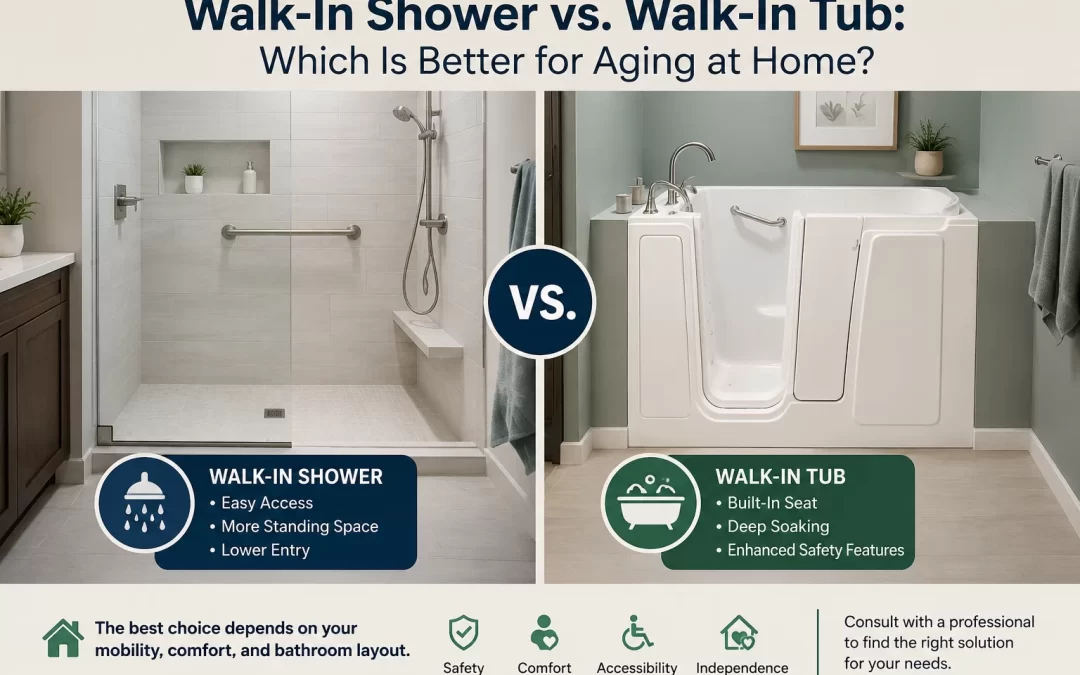
Are walk-in tubs worth it? For many seniors and adults with limited mobility, a walk-in tub can be worth the cost because it makes bathing safer, easier, and more comfortable at home. They are especially helpful if stepping over a high tub wall feels risky or painful. However, walk-in tubs are a major purchase, often costing $5,000–$20,000+ installed, and they are not the best fit for every bathroom, budget, or health situation. The right choice depends on your mobility needs, bathroom layout, and whether you’ll truly use and enjoy the tub for years.
Choosing a walk-in tub is really about deciding how you want to bathe safely and independently as you age at home. This guide is for homeowners, seniors, and caregivers who are comparing safer bathing options and wondering if a walk-in bathtub is the right solution. We’ll walk through the real pros and cons, typical costs, who benefits most, and when a different upgrade might make more sense. The goal is to help you make a calm, confident decision without pressure.
Table of Contents
- Are Walk-In Tubs Worth It? The Short Answer
- How Walk-In Tubs Work (In Simple Terms)
- Benefits of Walk-In Tubs for Seniors and Caregivers
- Downsides and Limitations to Know Before You Buy
- What Do Walk-In Tubs Really Cost?
- Who Benefits Most from a Walk-In Tub?
- When a Walk-In Tub May Not Be the Best Fit
- Alternatives to Walk-In Tubs
- Questions to Ask Yourself Before Getting a Quote
- Questions to Ask a Walk-In Tub Installer
- Decision Guide: Is a Walk-In Tub Worth It for You?
- Frequently Asked Questions
- Key Takeaways
- What to Do Next
Are Walk-In Tubs Worth It? The Short Answer
Whether a walk-in tub is “worth it” depends on three main things:
- Your mobility and health needs now and in the next 5–10 years
- Your bathroom layout and plumbing
- Your budget and how long you plan to stay in the home
For people who:
- Struggle to step over a standard tub wall
- Have balance issues or joint pain
- Need help bathing and want more privacy and independence
a walk-in bathtub can be a very practical investment in safety and comfort.
However, if you mostly take quick showers, have very limited space, or are planning to move soon, a walk-in tub may not be the best use of your money. In those cases, a walk-in shower or smaller safety upgrades might be a better fit.
How Walk-In Tubs Work (In Simple Terms)
Basic idea
A walk-in tub is a bathtub with a built-in door and seat. Instead of stepping over a high tub wall, you open the door, step over a low threshold (often a few inches), sit down, close the door, and fill the tub around you.
Most walk-in bathtubs include:
- A low step-in threshold
- A watertight door that swings in or out
- A built-in, chair-height seat
- Grab bars and non-slip flooring
- Handheld shower wand
- Easy-to-reach controls
How you use a walk-in tub
- Open the door and step in over the low threshold.
- Sit on the built-in seat and close the door.
- Turn on the water and fill the tub to a comfortable level.
- Soak or use the handheld shower to wash.
- Drain the tub completely before opening the door to get out.
Some models add features like whirlpool jets, air bubbles, heated seats, and fast-fill or fast-drain systems for extra comfort and convenience.
Why this matters for safety and independence
The biggest safety benefit is reducing how high you have to lift your leg to get into the tub. For many seniors, that high step is the hardest and most uncomfortable part of bathing. A walk-in tub also provides a stable seat and built-in grab bars, which can make it easier to bathe without as much hands-on help from a caregiver.
However, it’s important to remember that no bathtub can guarantee fall prevention or independence. The right solution depends on your specific mobility, balance, and health needs, which you should discuss with your doctor or an occupational therapist.
Benefits of Walk-In Tubs for Seniors and Caregivers
1. Easier, safer entry and exit
Standard tubs often require a 14–18 inch step over the side. Many walk-in tubs reduce that step to around 3–7 inches, depending on the model.
This can help if you:
- Have trouble lifting your legs due to arthritis or joint pain
- Use a cane or walker and feel unsteady stepping over a high wall
- Are worried about slipping while getting in or out
2. Built-in seating and support
Most walk-in bathtubs have a chair-height seat, often 17–19 inches high, so you don’t have to lower yourself to the floor of the tub. This can make it easier to:
- Sit down and stand up with less strain on your knees and hips
- Stay seated while washing, instead of standing on a slippery surface
- Receive help from a caregiver without both of you bending and reaching as much
3. Comfort and pain relief potential
Many people choose walk-in tubs for comfort as much as safety. Warm soaking can feel good on stiff joints and sore muscles, especially when combined with optional features like:
- Hydrotherapy (water) jets
- Air bubble jets
- Heated backrests or seats
These features may help you relax and enjoy bathing again. They are not medical treatments, and you should always ask your doctor before using jets if you have heart issues, circulation problems, or other health concerns.
4. More privacy and dignity
For seniors who currently need a lot of hands-on help to get in and out of a standard tub, a walk-in bathtub can sometimes reduce how much physical assistance is needed. Being able to bathe more independently, even with someone nearby for safety, can feel more private and dignified.
5. Aging in place and staying at home longer
Bathroom safety is one of the biggest challenges to staying in your own home as you age. A walk-in tub can be part of a larger aging-in-place plan that might also include:
- Grab bars near the toilet and in the tub or shower
- Non-slip flooring
- Better lighting and nightlights
- Raised toilet seats or comfort-height toilets
While no single upgrade guarantees you can stay at home, improving bathroom safety can make daily life easier and more manageable.
Downsides and Limitations to Know Before You Buy
1. You must sit inside while the tub fills and drains
With a walk-in tub, you can’t fill the tub before getting in or open the door until it’s fully drained. That means you sit inside while:
- The tub fills with water
- The tub drains completely before you can get out
Depending on your water pressure, water heater size, and whether you have a fast-drain system, this can take several minutes each way. Some people find the wait while the water drains uncomfortable, especially if they get cold easily.
2. Higher upfront cost
Walk-in tubs are significantly more expensive than basic tubs or showers. Typical ranges:
- Tub only: about $3,000–$10,000+ depending on brand, size, and features
- Installed cost: often $5,000–$20,000+ including labor, plumbing, electrical work, and any bathroom changes
Luxury models with many jets, heated surfaces, or custom sizes can cost even more. For some families, this price range is simply not realistic.
3. Space and plumbing limitations
Not every bathroom can easily fit a walk-in bathtub. Common challenges include:
- Very small bathrooms or tight doorways
- Older plumbing that needs updating
- Electrical upgrades needed for jets or heaters
- Flooring or subfloor that needs repair or reinforcement
These issues can add time and cost to the project. A licensed contractor or plumber should inspect your bathroom before you commit.
4. Not ideal for everyone in the household
If multiple people use the same bathroom, think about how a walk-in tub will affect them. Some models are deeper and harder to use as a quick shower, especially for young children. Others include a shower option but may still feel different from a standard tub-shower combo.
5. Resale value is not guaranteed
Some buyers see a walk-in tub as a plus; others prefer a standard tub or walk-in shower. You should not count on getting your full investment back when you sell the home. A walk-in tub is usually more about your comfort and safety than about increasing resale value.
What Do Walk-In Tubs Really Cost?
Typical price ranges
While prices vary widely, these ranges can help you plan:
- Basic soaker walk-in tub (no jets): around $3,000–$5,000 for the tub alone
- Mid-range with some jets or upgrades: around $4,000–$8,000 for the tub
- High-end or luxury models: $8,000–$10,000+ for the tub, sometimes much more
- Installed cost (tub + labor + materials): often $5,000–$20,000+ total
What affects the total cost
Your final price depends on several factors:
- Type of tub: Soaker-only models cost less than hydrotherapy or air-jet tubs.
- Size and style: Larger tubs, bariatric models, or wheelchair-accessible designs cost more.
- Features: Hydrotherapy jets, air jets, heated seating, quick-drain systems, and wider doors all add to the price.
- Bathroom layout: If your bathroom already has a standard tub, replacing it with a walk-in tub is usually simpler than changing the entire layout.
- Plumbing and electrical: Upgrades to pipes, drains, or electrical circuits can add significantly to labor costs.
- Home age and condition: Older homes may need subfloor repairs, new shutoff valves, or other updates.
- Location: Labor rates vary by region and city.
Installation time
In straightforward projects, installation may take about 1–3 days. More complex remodels that involve moving walls, relocating plumbing, or updating electrical systems can take longer.
Will insurance or Medicare pay for a walk-in tub?
Coverage for walk-in tubs is limited and highly case-specific. In many situations, Medicare and private insurance do not pay for walk-in bathtubs because they are considered home improvements rather than medical equipment. Some programs, grants, or local assistance may be available in certain cases, but eligibility varies.
Always check directly with:
- Your insurance provider
- Medicare or Medicaid office (if applicable)
- A benefits counselor or social worker
They can explain what, if anything, might be covered in your situation.
Who Benefits Most from a Walk-In Tub?
Good candidates for a walk-in bathtub
A walk-in tub may be especially helpful if you or your loved one:
- Has difficulty stepping over a standard tub wall
- Feels unsteady on their feet in a slippery tub or shower
- Experiences joint pain, arthritis, or limited range of motion
- Uses a cane, walker, or wheelchair and needs a safer way to bathe
- Currently needs a lot of help from a caregiver to bathe
- Enjoys soaking baths and would use the tub regularly
- Plans to stay in the home for several more years
How caregivers may benefit
For family members and professional caregivers, a walk-in tub can sometimes:
- Reduce heavy lifting and awkward movements when helping someone bathe
- Make it easier to assist from outside the tub
- Provide a more comfortable, dignified bathing setup for both people
However, the exact benefit depends on the person’s mobility and how much assistance they need. It’s wise to talk with an occupational therapist about the best bathing setup for your specific situation.
When a Walk-In Tub May Not Be the Best Fit
Situations where a walk-in tub may not be worth it
A walk-in bathtub may not be the right choice if:
- You or your loved one only take quick showers and rarely use a tub.
- There is very limited space, and installing a walk-in tub would make the bathroom cramped or hard to navigate.
- You plan to move within a few years and won’t get much use from the tub.
- The cost would create serious financial strain.
- The person bathing cannot sit upright safely or has medical needs that make soaking unsafe (always ask a doctor).
Practical drawbacks to think through
Before deciding, consider:
- Will sitting in the tub while it fills and drains be comfortable, or will the person get cold easily?
- Is there enough hot water capacity to fill a deeper tub without running out?
- Will other household members be happy using a walk-in tub instead of a standard tub or shower?
- Would a walk-in shower with a seat and grab bars meet your needs just as well for less money?
Alternatives to Walk-In Tubs
1. Walk-in shower with seat
A curbless or low-threshold walk-in shower can be an excellent option for many people. Key features often include:
- Very low or no step to enter
- Built-in or fold-down shower seat
- Grab bars and non-slip flooring
- Handheld shower head
Walk-in showers are convenient for quick daily use and can work well for both seniors and other family members. Costs vary widely depending on materials and layout, but they can sometimes be similar to or less than a walk-in tub installation.
2. Tub transfer bench or shower chair
If a full remodel is not in the budget, smaller changes can still improve safety:
- Tub transfer bench: Allows you to sit down outside the tub and slide over the wall while seated.
- Shower chair or stool: Lets you sit while showering in a tub or shower.
These are much less expensive than a walk-in tub and can be combined with grab bars and a handheld shower head for added safety.
3. Grab bars and non-slip surfaces
Simple upgrades can make a big difference:
- Grab bars near the tub, shower, and toilet
- Non-slip mats or adhesive strips in the tub or shower
- Non-slip rugs or mats on the bathroom floor
- Better lighting to reduce shadows and improve visibility
These changes are usually quick and affordable and can be a good first step even if you later decide to install a walk-in tub or shower.
4. Full bathroom remodel for accessibility
In some cases, a larger bathroom remodel may be the best long-term solution. This might include:
- Widening doorways for walkers or wheelchairs
- Installing a roll-in shower
- Rearranging fixtures for better maneuvering space
- Upgrading lighting, flooring, and storage
This option costs more upfront but can create a truly accessible bathroom for many years of aging in place.
Questions to Ask Yourself Before Getting a Quote
Before you invite any company into your home, it helps to be clear on your needs and priorities. Ask yourself and your family:
About needs and lifestyle
- Do I prefer baths, showers, or both?
- How often will I realistically use a walk-in tub?
- What are my biggest challenges with bathing right now (stepping in, standing, balance, pain)?
- Do I need help from someone else to bathe? How might a walk-in tub change that?
- What does my doctor or occupational therapist recommend for safe bathing?
About your home and budget
- How long do I plan to stay in this home?
- Is this my forever home, or am I likely to move in a few years?
- What is a realistic budget range for this project?
- Am I open to alternatives like a walk-in shower or smaller safety upgrades?
- Is there enough hot water capacity for a deeper tub, or would I need a larger water heater?
About priorities
- Is my top priority safety, comfort, independence, or all three?
- Which features matter most (low step-in, jets, heated seat, fast drain, wider door)?
- Am I willing to trade some convenience (like waiting for the tub to fill and drain) for safer entry and exit?
Questions to Ask a Walk-In Tub Installer
When you’re ready to talk with installers, prepare a list of questions so you can compare companies fairly and avoid surprises.
Questions about the product
- Which walk-in tub models do you recommend for my needs and why?
- What is the step-in height for this model?
- What safety features are included (grab bars, non-slip floor, seat height, controls)?
- What optional features are available, and how much do they add to the cost?
- Is the door inward- or outward-swinging, and what are the pros and cons for my bathroom?
Questions about installation
- Can you inspect my bathroom and plumbing before giving a final quote?
- Will I need electrical upgrades for jets or heaters?
- How long will installation take, and will I be without a bathroom during that time?
- Will you handle all plumbing, electrical, and any necessary permits?
- How will you protect my floors and home during installation?
Questions about cost and warranties
- Can you provide a written, itemized quote that separates product and labor costs?
- What is included in the price, and what could cause the price to increase?
- What warranties are offered on the tub, parts, and labor?
- Do you offer any maintenance or service plans?
- What payment options or financing are available, and what are the terms?
Red flags to watch for
- High-pressure sales tactics or “today only” pricing
- Refusal to provide a written, detailed quote
- Unwillingness to discuss permits, licensing, or insurance
- Vague answers about warranties or who handles service issues
Decision Guide: Is a Walk-In Tub Worth It for You?
Use this simple checklist to help decide whether to move forward with walk-in tub installation, consider alternatives, or wait.
Signs a walk-in tub may be worth it
- You or your loved one struggles to step over a standard tub wall.
- Bathing feels risky, exhausting, or painful with your current setup.
- You enjoy soaking and would use the tub regularly.
- You plan to stay in your home for at least several more years.
- Your bathroom can reasonably fit a walk-in tub without major structural changes.
- You have a realistic budget and are comfortable with the investment.
- Your doctor or occupational therapist agrees that a walk-in tub is appropriate for your health and mobility.
Signs you should consider other options
- You mainly take quick showers and rarely use a bathtub.
- Your bathroom is very small, and a walk-in tub would make it hard to move around.
- You’re planning to move soon or are unsure how long you’ll stay.
- The cost would cause financial stress, even with financing.
- You or your loved one cannot safely sit upright or tolerate soaking.
- A walk-in shower with a seat and grab bars could meet your needs more simply.
Next steps
If you think a walk-in tub might be right for you:
- Talk with your doctor or an occupational therapist about safe bathing options.
- Measure your bathroom and note your current plumbing and electrical setup.
- Gather information about your budget and priorities.
- Compare quotes from more than one installer so you can see different options and prices.
Frequently Asked Questions
Are walk-in tubs really safer than regular bathtubs?
Walk-in tubs are designed with safety features like a low step-in, built-in seat, grab bars, and non-slip flooring, which can make bathing easier and more secure for many people. However, no tub can guarantee fall prevention, and the safest option depends on your specific mobility and health. It’s best to discuss your situation with a doctor or occupational therapist.
How much does a walk-in tub cost with installation?
Most walk-in tubs cost around $3,000–$10,000+ for the tub alone, depending on size, brand, and features. With installation, plumbing, and any needed electrical or bathroom changes, total costs often range from about $5,000 to $20,000 or more. Your final price will depend on your bathroom layout, local labor rates, and the model you choose.
Do you have to sit in a walk-in tub while it fills and drains?
Yes, you enter the tub, close the door, and then fill it around you, and you must wait inside until it drains completely before opening the door to get out. Some models offer fast-fill and fast-drain systems to shorten this time, but there is always some waiting involved. If you get cold easily, ask about heated seats or consider whether a walk-in shower might be more comfortable.
Will Medicare or insurance pay for a walk-in tub?
In many cases, Medicare and private insurance do not cover walk-in tubs because they are considered home improvements rather than medical equipment. Some assistance programs or special situations may offer partial help, but eligibility varies widely. Always confirm coverage directly with your insurance provider or a benefits specialist before making a purchase.
How long does it take to install a walk-in tub?
In a straightforward replacement of an existing tub, installation often takes about 1–3 days. If your bathroom needs plumbing or electrical upgrades, wall changes, or subfloor repairs, the project can take longer. A qualified installer can give you a more accurate timeline after inspecting your bathroom.
Is a walk-in tub or a walk-in shower better for aging in place?
Both can be good options for aging in place, but they serve slightly different needs. Walk-in tubs are better if you enjoy soaking and want a seated bath with a low step-in, while walk-in showers are often more convenient for quick daily use and can be easier for multiple household members to share. The best choice depends on your bathing preferences, mobility, and bathroom layout.
Key Takeaways
- Walk-in tubs can be worth it for seniors and adults with mobility challenges who want safer, more comfortable bathing and plan to stay in their homes for several years.
- They are a major investment, often costing $5,000–$20,000+ installed, and not every bathroom or budget is a good match.
- The biggest benefits are a low step-in, built-in seat, and safety features, but you must be comfortable sitting in the tub while it fills and drains.
- Alternatives like walk-in showers, grab bars, shower chairs, and transfer benches can also improve bathroom safety, sometimes for less money.
- Before deciding, clarify your needs, talk with health professionals, and compare multiple quotes so you understand your options and true costs.
What to Do Next
The right walk-in tub depends on your bathroom layout, mobility needs, comfort preferences, and budget. Comparing quotes can help you understand your options, features, and installation requirements without committing to a high-pressure sales appointment. Start by requesting a personalized walk-in tub quote here: get your walk-in tub quote.